
Tulsa City Directories on the Local Shelf
The Tulsa City-County Library directory collection is the core historical shelf. Its Central Library Research Center holds Tulsa volumes from 1909 to the present, with documented gaps for 1945, 1949, 1952, 1962, and 1998. Those missing years matter. A gap is a reason to compare neighboring years or another source, not a reason to fill in an address from memory. The collection also separates city directories from later telephone and cross-reference books, each of which answers a slightly different question about a published name or address.
| Collection | Years | Where held | Access |
|---|---|---|---|
| Tulsa City Directories | 1909-present, with five stated gaps | Central Library Research Center | Print and microfilm |
| Polk-Hoffhine digital volumes | 1910, 1920, 1921, 1922 | TCCL Digital Collection | Public online scans and transcripts |
| Directory database run | 1909-1935 | Any TCCL library location | In-library Ancestry Library Edition |
| Telephone directories | 1931-present | Central Library Research Center | On-site historical collection |
| Cross Reference Directories | 1944-present | Central Library Research Center | Street-address and telephone arrangement |
| Genealogy Center duplicate run | 1928-32, 1939-41, 1948 | Hardesty Regional Library | Genealogy Resource Center |
The Oklahoma Historical Society is another useful custodian when the question shifts beyond a printed address into territorial, land, newspaper, or broader archival material. Its historical-record guidance helps separate a library directory search from a record held by another office. That distinction keeps a household trail tied to the source that actually created it.
Oklahoma Historical Society records research shows one official route for material outside the local directory shelf.
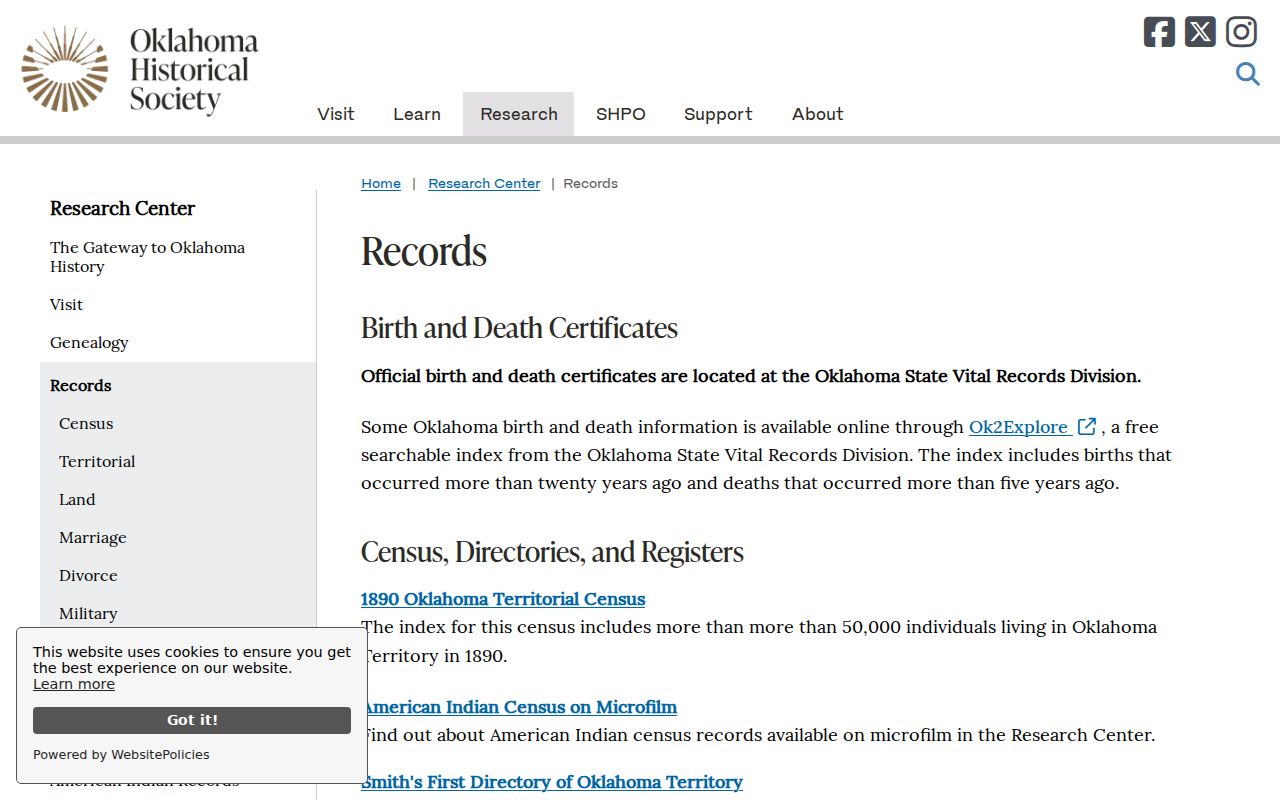
Use that route when a directory entry points to a larger historical question, rather than treating an annual listing as the final record.
Note: A Tulsa directory listing is evidence for its publication year, not proof of legal residence, ownership, or current occupancy.
Polk-Hoffhine Tulsa City Directory Pages
The library’s Tulsa City Directory Digital Collection makes four early years available remotely: 1910, 1920, 1921, and 1922. The inspected 1920 and 1921 volumes identify themselves as Polk-Hoffhine Co.’s Tulsa, Oklahoma Directory. Their scans and transcripts make them excellent starting points when a family name, early address, or business needs a first check from home. A transcript is useful, but the image is the authority when an abbreviation, spelling, or line break is hard to read.
The digitized directory collection provides the public scans used for those early-volume searches.
The online set is a convenient sample of the historical run, while the Central Library supplies the much longer sequence and its documented gaps.
A careful transcription preserves what the page says. Historical place labels and original wording can be relevant to identifying a record, but they should not be turned into modern claims about a person. Compare the printed page before deciding that an optical-character-reading result is a match.
Tulsa City Directory Gaps at Central Library
When a remote search ends at a missing year or an unreadable image, the Central Library Research Center offers the local fallback. The Research Center is on the third floor and currently uses appointments, up to one hour a day, booked 48 hours ahead at 918-549-7323. Researchers can also ask about local-history material through rcaskus@tulsalibrary.org. That collection includes directories alongside newspapers, maps, photographs, and books, so a move can be checked against more than one kind of evidence.
The library’s community-resources page identifies the print city, telephone, and cross-reference directory holdings.
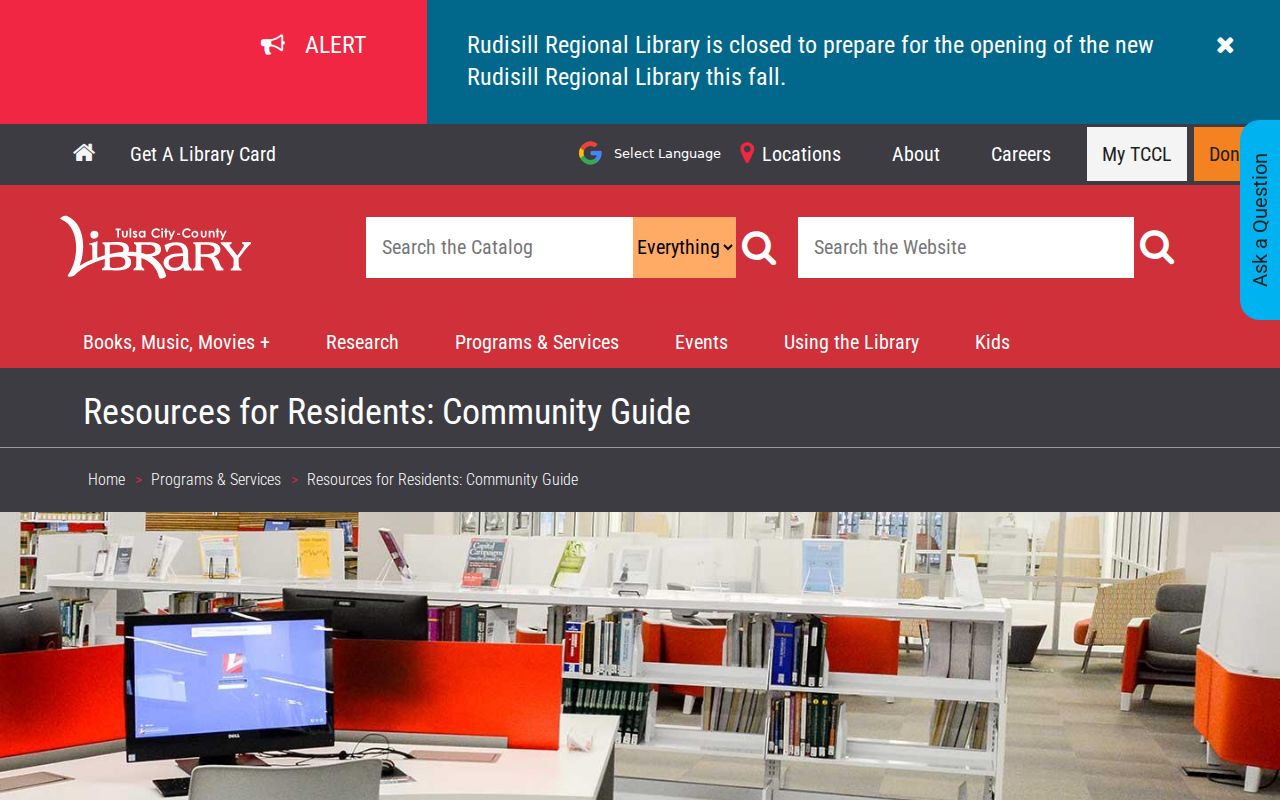
Use the long local run to bridge the annual gaps in the online collection, then note whether the evidence came from print, microfilm, a scan, or a database result.
Hardesty Regional Library’s Genealogy Resource Center is a second on-site option. It holds the specified Tulsa years 1928 through 1932, 1939 through 1941, and 1948, plus maps, microfilm, surname files, and research databases. The Center answers specific questions by email or letter as time permits. Print materials do not require a library card, though subscription databases do. Black-and-white or microfilm copies cost $0.10, color copies cost $0.25, and scans to a flash drive or email PDF are free.
The Genealogy Resource Center describes its local collections and access options.
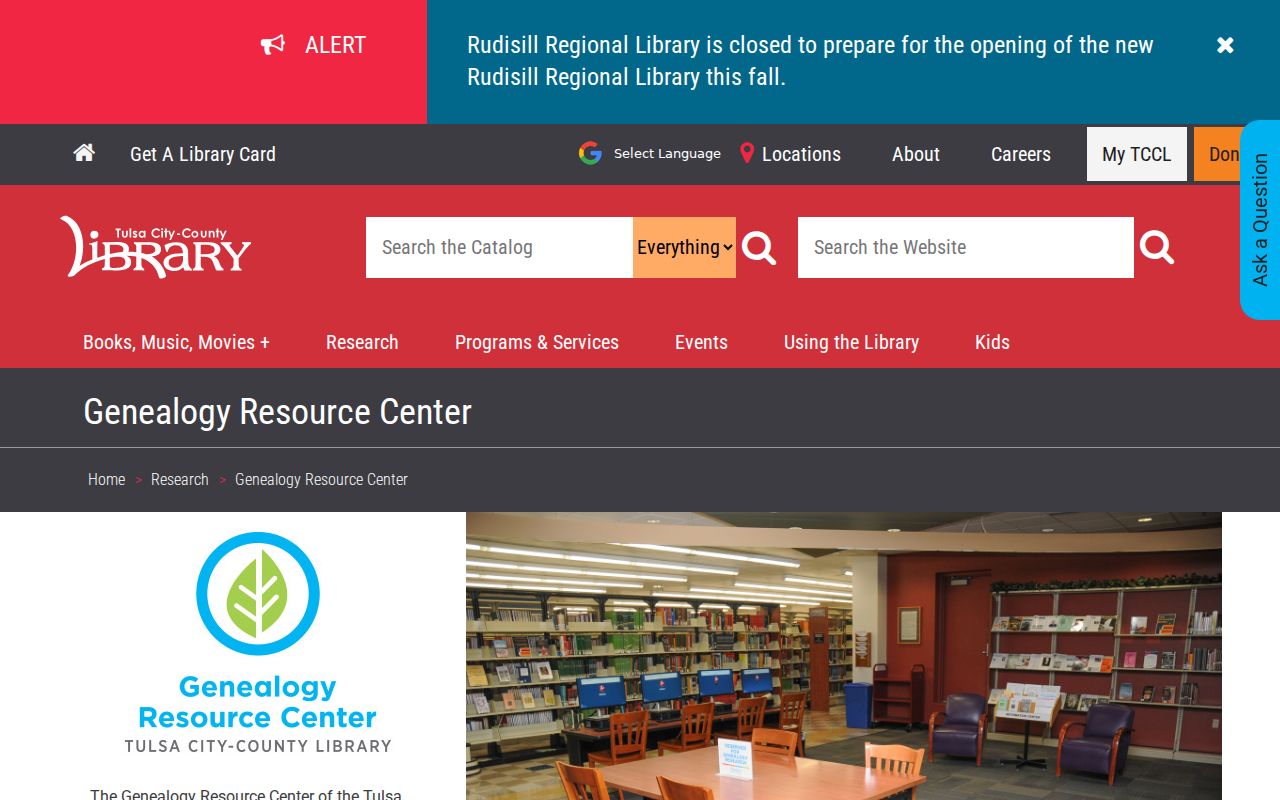
That extra access channel is especially useful when one annual book is missing from Central Library’s sequence or a household needs broader genealogical context.
Tulsa Reverse City Directory Sections
Beginning in 1912, Tulsa directories can be searched in reverse because streets are listed alphabetically. This is a major change in how an old address can be used. Instead of starting with a surname, locate the street and house number in the reverse section, record the name as printed, and then look for that person in the alphabetical portion. Reverse access is published evidence for that directory year only. It does not establish a full household, a current occupant, or a legal right to property.
Cross Reference Directories extend the address route from 1944 forward and are organized by telephone number and street address. Their companion telephone directories begin in 1931 and cover a broader geography than the city books. A printed listing that vanishes may reflect a move, a changed listing practice, an unlisted number, or a death. It should be checked against the prior and following year before drawing a conclusion.
Note: The reverse section is a historical address tool, not a present-day list of Tulsa residents.
Read a Tulsa City Directory Entry
A Tulsa entry should be copied exactly before it is interpreted. The sampled Polk-Hoffhine pages use an alphabetical surname heading, given name or initials, and sometimes a spouse in parentheses. They can add an occupation, employer, a residence abbreviation, and an address. A business or office address may appear apart from the residence. The volume’s own abbreviation key is the best guide because conventions can differ from one publisher or year to another.
| Name | Surname, given name or initials, and sometimes a spouse in parentheses. |
|---|---|
| Work line | Occupation, employer, or an occupational abbreviation when the volume supplies one. |
| Residence | r marks a residence in the sampled pages; rms can indicate rooms. |
| Widow notation | wid can preserve a widow or widower relationship clue. |
| Classified pages | Business categories, proprietors, addresses, telephone numbers, and advertisements. |
- Reverse or criss-cross section
- The street-order portion that lets an address lead to a published name in a given year.
- Householder index
- A name-oriented organization that may identify a listed household head rather than every person at an address.
- Abbreviation key
- The publisher’s explanation of shortened terms, usually near the front of a volume and worth consulting before transcription.
Occupation, spouse notation, and an address can make a same-name result easier to test. They do not erase the need to compare dates and independent records.
Trace a Tulsa City Directory Household
Follow a household through nearby directory years instead of jumping from one decade to the next. Watch for an address change, a different employer, a spouse appearing or disappearing, a switch to rms, or a new head of household. After 1912, the reverse street listing can test the published name at the address for that same year. For a modern record check after a historical find, use the Tulsa resident lookup route rather than assuming a century-old listing identifies a current person.
- Start with the closest known name, address, or directory year and copy the entry exactly.
- Compare the preceding and following available directory volumes for a move or changed household detail.
- Use the reverse section after 1912, or the cross-reference books after 1944, to test the address side.
- Pair the directory date with a released federal census year when the time period permits.
- Use a dated death notice, probate file, map, or property record to test a disappearance from the printed run.
The National Archives provides a 1950 Census search filterable to Tulsa by name or enumeration district. Census captures a household on its enumeration date, while annual directories fill many of the years between. Ownership is a separate question, so a property or deed record may still be needed when an address trail changes hands.
Tulsa Maps Beside City Directories
A directory locates a published name at an address. A map can help determine whether the building, street pattern, or parcel arrangement existed in that year. The Tulsa Library maps collection includes historical map resources, and its Tulsa Sanborn materials span 1894 through 1962. The 1915 and 1939 Sanborn years are particularly useful in the historical context of the Tulsa Race Massacre. They show building form and use, not every resident’s name.
The maps collection is the source for this Tulsa historical-map access route.
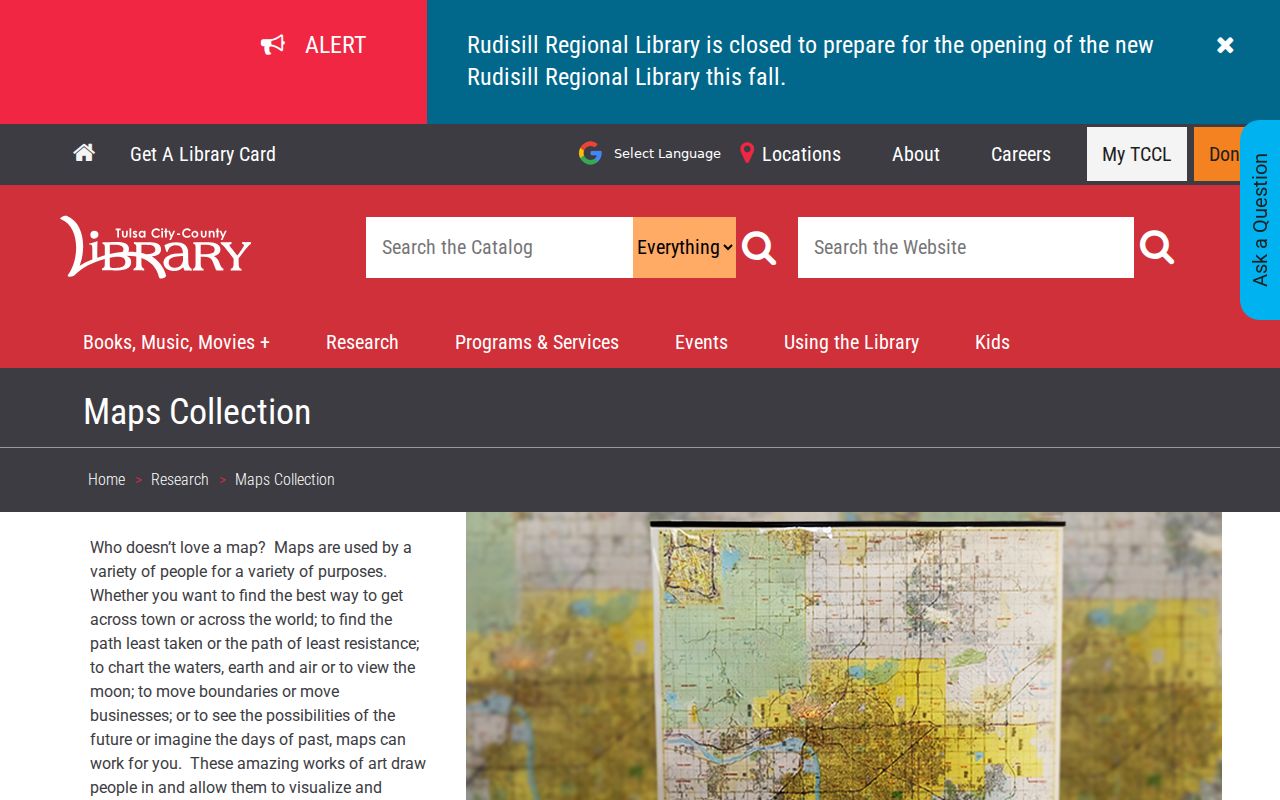
Pairing the map year with the directory year helps avoid attaching a later building configuration to an earlier household listing.
The library’s house, building, and neighborhood guide adds Sanborn maps, digital historical maps, aerial photographs from the 1950s and 1960s, books about historic homes, and subject vertical files. It is a valuable support route when a street was renumbered, replatted, widened, or redeveloped. A map dates a physical setting. It does not turn into resident evidence without a matching directory, census, or another dated record.
The library’s house-history guide identifies these maps, aerials, books, and vertical files.
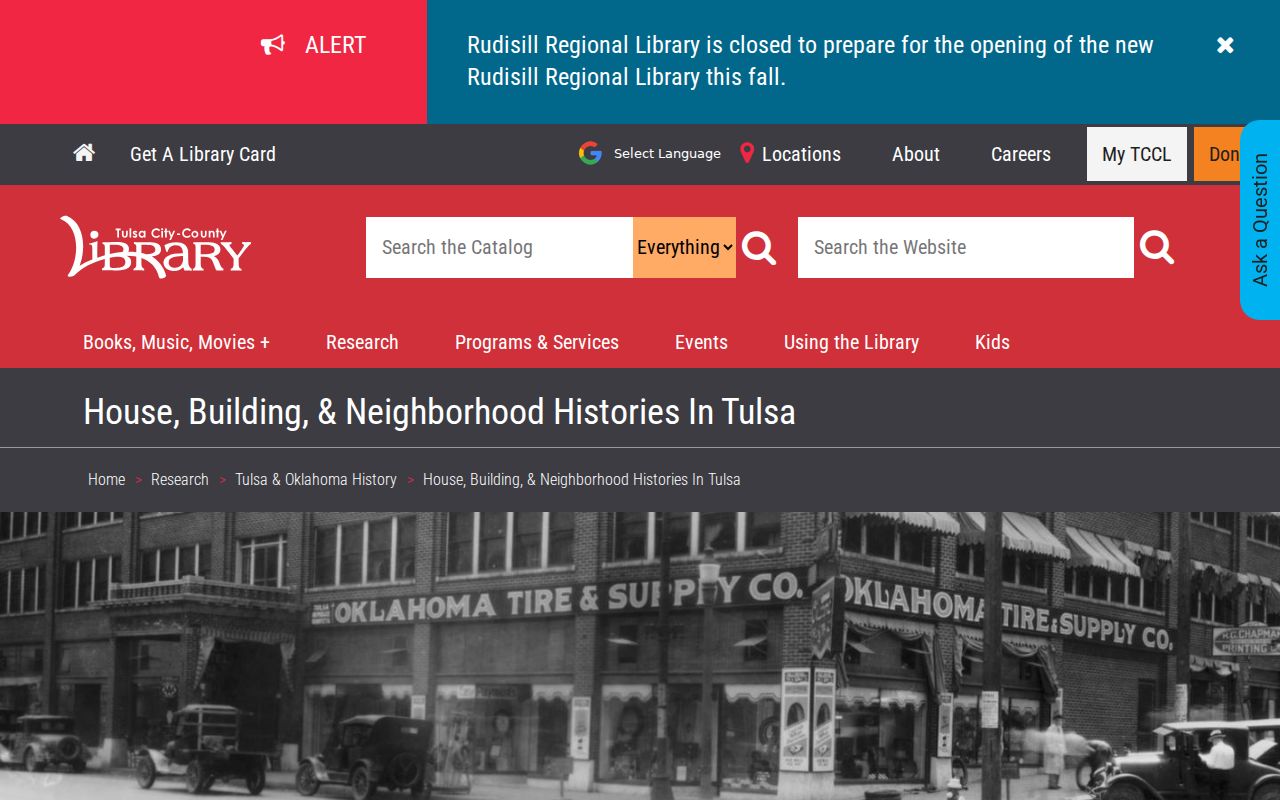
Use the guide to locate a physical-history source, then keep its finding separate from the identity evidence in a directory entry.
Tulsa Death Notices After a Directory Trail
A household’s final appearance in a directory needs a dated checkpoint. The Tulsa Library Death Notice Index covers the Tulsa World for 1963-1990 and the Tulsa Tribune for 1964-1990. An index result supplies a name, date, newspaper, and page pointer. Central Library holds the World and Tribune microfilm for the next step. Start a surname search with a few letters when spelling varies, then verify the notice or a fuller obituary rather than relying on the index alone.
A death notice often contains service information, while a paid obituary can include fuller survivor or biographical detail. Neither result replaces a public probate file when an estate question is at issue. A Tulsa County Court Clerk probate record can identify estate actors or heirs when the file is public, but a case title alone does not establish a family relationship.
Note: A missing directory entry is not proof of death; use a dated notice, vital index, court filing, obituary, or another source.
Tulsa City Directories in a Wider History
Tulsa’s local record trail reaches beyond a single book series. City directories begin in 1909, reverse street searching begins in 1912, and the library keeps an unusually long annual run despite five listed gaps. That continuity can support careful family and neighborhood history when it is paired with maps, newspapers, probate material, and cemetery sources. The City’s continuing Oaklawn 1921 Graves Investigation is a local example of historical research drawing on death certificates, newspaper accounts, funeral-home material, probate references, cemetery records, oral history, archaeology, and genetic genealogy.
That work is not a general name-search tool. It does show why a historical inquiry may have to change custodians as the question changes. A Tulsa directory can establish a useful annual address clue; the library, court, City archives, or historical repository may hold the next record needed to test it.